Link

/* Style Definitions */
table.MsoNormalTable
{mso-style-name:”Table Normal”;
mso-tstyle-rowband-size:0;
mso-tstyle-colband-size:0;
mso-style-noshow:yes;
mso-style-priority:99;
mso-style-qformat:yes;
mso-style-parent:””;
mso-padding-alt:0cm 5.4pt 0cm 5.4pt;
mso-para-margin-top:0cm;
mso-para-margin-right:0cm;
mso-para-margin-bottom:10.0pt;
mso-para-margin-left:0cm;
line-height:115%;
mso-pagination:widow-orphan;
font-size:11.0pt;
font-family:”Calibri”,”sans-serif”;
mso-ascii-font-family:Calibri;
mso-ascii-theme-font:minor-latin;
mso-fareast-font-family:”Times New Roman”;
mso-fareast-theme-font:minor-fareast;
mso-hansi-font-family:Calibri;
mso-hansi-theme-font:minor-latin;}

Thank you Dr Verner Wheelock for the extensive critique of the reports . The Cochrane reports analysis was heroic and well structured. We had a huge debate about them at the time on THINCS (www.thincs.org).

For my part I shy away from statistical analysis which doesn’t include ‘All Cause Mortality’ figures. The reason being that failure to look at all the non-cardio deaths and drop-outs from trials cleans and amplifies the apparent benefits of Statins. This means we can never know the Numbers Needed to Harm NNH side of the medication.

My first ever review paper (G Wainwright et al., 2009) looking at the clinical impact of cholesterol lowering in all non-cardiovascular organs, was seminal in that it pointed up a fundamental flaw in the whole statin concept i.e. Cholesterol is vital and inhibiting its production is destined to create a wide and varied set of Adverse Events in statin users in the longer term.  That is why ‘all cause mortality’ data is not made available (caveat emptor).

In our second review paper(Seneff et al., 2011)  we became aware of the fact that LDL/HDL ratios were associated with LDL consumption by organs and not production by the liver. The whole LDL argument had been inverted.  If LDL is damaged by glycation,  LDL goes up and HDL falls.  The liver’s glycated-LDL is unused and the corresponding HDL return to the liver does not happen.
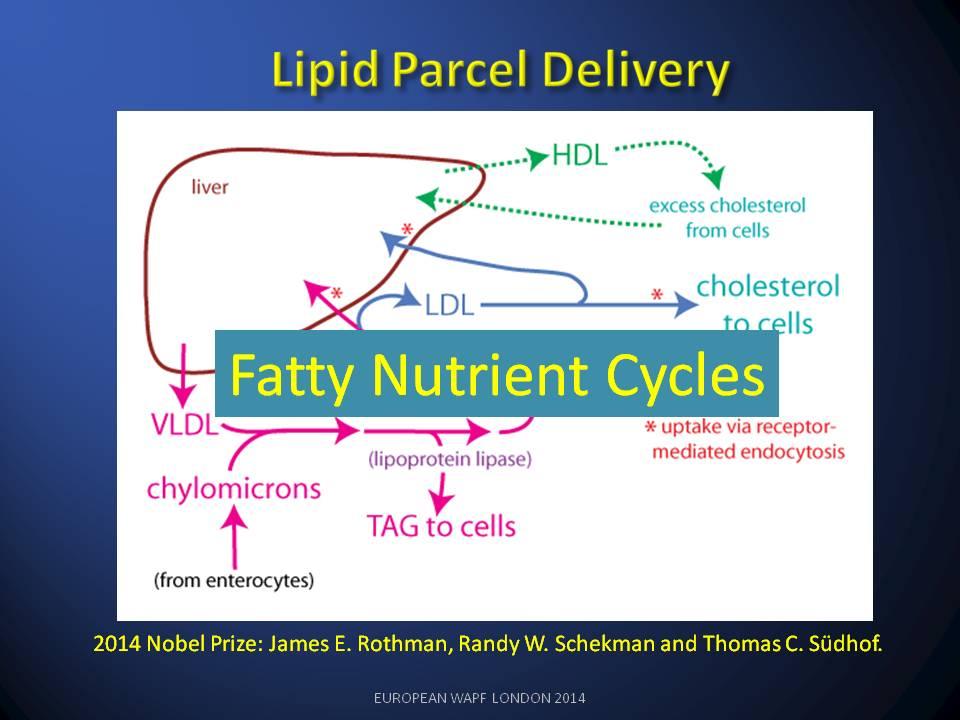
LDL HDL Cycles

How such a fundamental part of the lipid nutrition cycle could be missed is hard to understand. Obsession with statins and statin finance has done immense harm to cardio-medicine and I believe we are seeing the start of a major NICE scandal as the BMA object to the guidance.

G Wainwright, L Mascitelli, and M Goldstein (2009). Cholesterol-lowering therapy and cell membranes. Stable plaque at the expense of unstable membranes? Arch. Med. Sci. 5, 289–295.

Seneff, S., Wainwright, G., and Mascitelli, L. (2011). Is the metabolic syndrome caused by a high fructose, and relatively low fat, low cholesterol diet? Arch Med Sci 7, 8–20.

109. Cochrane Collaboration Evaluates Statins for Primary Prevention of Heart Disease | Verner’s Views

Link

The treatment and placebo groups’ mortality lines should be independent: a trend in one should have no consequential influence on the other. However:

  • All 4 lines are essentially identical for 1.6 years.
  • Then there is a departure — by both lines at the same time.

The fact that both lines — treatment and placebo — depart at the same time is important. Why should the treatment suddenly become beneficial at exactly the same time as non-treatment becomes detrimental?

The average line of both treatment and non-treatment groups follows a ‘natural’ mortality curve; any natural survival curve would have its slope increasing downward. (i.e. becoming more negative.)

Both treatment and placebo lines follow this natural curve for 1.6 years. Then both diverge. The placebo group shows this slope change increasing (negative) at a faster rate than all other lines. But, surely, it should follow the natural mortality curve. Why doesn’t it?

The slope of the treatment group is nearly constant from 1.8 years onward. It’s not a curve at all, but an almost straight line — and it shouldn’t be. What it says is that old people die at the same rate as younger ones. And life isn’t like that.

Is this evidence that the data of the 4S trial were not handled in an honest manner? Were deaths occurring in the treatment group assigned to the placebo group? Is this why the two curves, which should be independent, are apparently related? Or is there a mistake somewhere? Is there an error in logic?

Statins: Saviours of Mankind or Expensive Scam?

Sugar-Damage in the Lipid Nutrition Cycle

Normal
0
false

false
false
false

EN-GB
X-NONE
X-NONE

/* Style Definitions */
table.MsoNormalTable
{mso-style-name:”Table Normal”;
mso-tstyle-rowband-size:0;
mso-tstyle-colband-size:0;
mso-style-noshow:yes;
mso-style-priority:99;
mso-style-qformat:yes;
mso-style-parent:””;
mso-padding-alt:0cm 5.4pt 0cm 5.4pt;
mso-para-margin-top:0cm;
mso-para-margin-right:0cm;
mso-para-margin-bottom:10.0pt;
mso-para-margin-left:0cm;
line-height:115%;
mso-pagination:widow-orphan;
font-size:11.0pt;
font-family:”Calibri”,”sans-serif”;
mso-ascii-font-family:Calibri;
mso-ascii-theme-font:minor-latin;
mso-fareast-font-family:”Times New Roman”;
mso-fareast-theme-font:minor-fareast;
mso-hansi-font-family:Calibri;
mso-hansi-theme-font:minor-latin;}

Maybe raised total blood serum cholesterol (TBSC) was trying to tell us something about health, but it was not the message we have been fed for the last 60 years.

Cholesterol has been misrepresented since the 1950s as a cause of heart disease. In reality an excess of dietary sugar that created an unhealthy lipid profiles in our blood stream.  Attempts to fix the problem by a drug called a statin added to our health woes because it targets the wrong issue.

When LDL nutrition is sugar-damaged (Glycated LDL) is raised in the blood. Unrecognised by our fat starved organs it is eventually scavenged by less discriminating visceral fat stores. There is less HDL (erroneously called ‘good’ cholesterol) being returned by the organs.

High Cholesterol (high levels of total blood serum cholesterol TBSC) when caused by damage to the LDL lipid parcels is a sign that lipid circulation is broken. These fats (LDL) will be scavenged to become visceral fats, deposited around the abdomen. This type of damage is associated with poor health.

Preventing the liver from producing new undamaged LDL by using a statin fails to address the problem of getting fatty nutrients to fat starved organs. The action of statins adds to the patients musculo-skeletal and neurological woes by depleting vital supplies of CoQ10 and dolichol.

The problem is fixed by reducing sugar-damage – as measured by an HbA1c test on sugar damage to a blood protein called haemoglobin. Several diabetes clinicians have observed this key connection between sugar damage and poor lipid profiles.

A Healthy Lipid Nutrition Cycle

If the total blood serum cholesterol (TBSC) is high and the organs are getting enough lipids, the blood lipid circulation is healthy.  The large parcels of fatty nutrients (LDL lipids) sent by the liver are consumed by our organs (receptor-mediated endocytosis) and the smaller fatty wrappers and left-over lipids (HDL Lipids) return to the liver. The Fatty Nutrients (LDL) and the recycled lipids (HDL) are in balance. Such a healthy-lipid ‘High-Cholesterol’ person is well nourished and likely to have a long and healthy life.

Sugar-Damage in a Broken Lipid Cycle

If the total blood serum cholesterol is high but the fatty nutrient droplets (LDLs) have sugar-damaged labels, the organs are unable to recognise and feed on them. The supply of fatty nutrients to organs is broken. 

The liver continues to supply fatty nutrients (albeit with damaged LDL labels), but the organs’ receptors are unable to recognise them. The organs thus become starved of their fatty nutrients. Like badly labelled parcels in a postal service, the sugar-damaged lipids build up in the blood (raised LDL) and fewer empty wrappers are returned to the liver (low HDL).

So it really doesn’t matter how high your total blood serum cholesterol (TBSC) is. What really counts is the damaged condition of the blood’s fatty nutrient parcels (LDL lipids). In our research review of metabolic syndromes4 (e.g. diabetes, heart disease, obesity, arthritis and dementia) we explained that the major cause of lipid damage was sugar-related.

Sugar Damage (AGEs)

The abbreviation AGE (Advanced Glycation End-product) is used to describe any sugar-damaged protein.  As we age, excessive amounts of free sugars in the blood5 may eventually cause damage quicker than the body can repair it.  The sugars attach by a chemical reaction and the sugar called fructose is known to be 10 times more reactive, and therefore more dangerous than our normal blood sugar (glucose). Since the 1970s we have been using increasing quantities of refined fructose (from high-fructose corn syrup). Its appealing sweetness, and ability to suppress the ‘no longer hungry’ receptor6 (ghrelin receptor) is driving excessive food intake.  Its ability to damage our fatty nutrients and lipid circulation is also driving waist-line obesity and its associated health problems4,7.

Checking for Damage in our Lipids

There is a ‘simple to administer’ commonly available blood test used to check for sugar-damage.  It is used to check the proteins in the blood of people who are diabetic or at risk of becoming diabetic. It tests for Glycated Haemoglobin (HbA1c) by counting the proportion of damaged molecules (per 1000) of Haemoglobin protein in the blood (mmol/mol). Researchers looking at ways of testing for damage to lipids, have found that sugar-damaged blood protein test (HbA1c), presents a very reasonable approximation of the state of sugar-damage in the blood lipids. Until there is a good general test for sugar-damage in blood lipids, this test (HbA1c) could be a sensible surrogate. This is a better way of assessing health than a simple cholesterol test (TBSC).

Improved sugar-damaged blood protein (HbA1c) scores in diabetic patients is accompanied by improvements in their lipid profiles. This could be very useful to anyone wanting to improve health outcomes by managing lifestyle and nutrition.

—————————————————————————-

For the full essay with references read follow this ‘bitly link’: http://bit.ly/1fkGYgb

Link

The Paradox

Being told you have ‘high cholesterol’ is commonly taken as a sign of an unhealthy destiny. Research suggests that for many elderly people the news that they have ‘high cholesterol’ is more often associated with good health and longevity1.

For over 50 years this has been a paradox, the ‘High-Cholesterol Paradox’. What is really going on?


Hypothesis becomes Dogma

In the 1950s the prestigious American MD, Dr Ancel Keys2, supported a popular theory that heart disease was caused by dietary Fats and Cholesterol (Lipids) circulating in the blood. In 1972 a British Professor, Dr John Yudkin3, published a book called ‘Pure, White and Deadly’ which proposed over-consumption of refined sugar as the leading cause of diabetes and heart disease. The science was contested by ‘interested parties’, and the matter was resolved by ‘government decree’ in a US Senate report. On Friday January 14th 1977, Senator George McGovern’s Senate Select Committee on Nutrition and Human Needs published ‘Dietary Goals for the United States’.

This document sided heavily with Dr Keys’ lipid theory. Thus ‘hypothesis became dogma’, without the benefit of scientific proof. The McGovern report recommended that we consume more carbohydrates (sugar generating foods) with more limited amounts of fats, meat and dairy. Since the 1970s there has been a rise in the use of High-Fructose Corn Syrups in processed food, and the introduction of low-fat foods which tend to have added sugar to make them attractive to eat. 

Until the 1970s there had been a small but consistent percentage of overweight and obese people in the population.  By the 1980s obesity rates had begun to climb significantly. This sudden acceleration of obesity is very closely associated with the adoption of new high-sugar, low-fat formulations in processed foods – the consequences of the McGovern report recommendations being adopted around the world.

Advice to reduce our intake of saturated fats, obtained from meat and dairy, caused a rise in the use of plant based oils and so-called ‘vegetable fats’. This was misleadingly promoted as healthy.  The biochemical destiny of dietary ‘Saturated Fat’ is not the same as that of excess ‘Carbohydrates and Sugars’.

Fats do not cause obesity or disease. It is the excess sugars (glucose and fructose – High Fructose Corn Syrup HFCS) which create abdominal obesity4.

The erroneous idea, and fear, of artery blocking fats was exploited to market fat substitutes. Invite anyone talking about ‘artery blocking fats’ to hold a pat of butter in a closed fist. As the butter melts and runs out between their fingers, ask ‘How do fats, which are evolved to be fluids at body temperature, block the vascular ‘pipes’ in our bodies?’ 

Plant oils are not the natural lipids for maintaining healthy human or animal cell membranes.  Animal sourced fats, and essential fatty acids (EFA), are identical to those we require for the maintenance of the healthy human body.

Let us explore some more big anomalies in the last 40 years of dietary health guidance.

Good Cholesterol? Bad Cholesterol? Spot the Difference?

All biochemists can confirm that all cholesterol molecules throughout the known universe are identical in every respect. So how can there be ‘good’ or ‘bad’ cholesterol. It is now possible to frighten people with unscientific descriptions like ‘Good’ and ‘Bad’ when talking about cholesterol.

This single misleading description may have prevented a whole generation from knowing the true causes of the very real disturbance in the levels of fatty nutrients (Lipids) circulating in our blood4.

Healthy Lipids

If the total blood serum cholesterol (TBSC) is high and the organs are getting enough lipids, the blood lipid circulation is healthy.  The large parcels of fatty nutrients (LDL lipids) sent by the liver are consumed by our organs (receptor-mediated endocytosis) and the smaller fatty wrappers and left-over lipids (HDL Lipids) return to the liver. The Fatty Nutrients (LDL) and the recycled lipids (HDL) are in balance. Such a healthy-lipid ‘High-Cholesterol’ person is well nourished and likely to have a long and healthy life.

Damaged Lipids

If the total blood serum cholesterol is high but the fatty nutrient droplets (LDLs) have sugar-damaged labels, the organs are unable to recognise and feed on them. The supply of fatty nutrients to organs is broken.  

The liver continues to supply fatty nutrients (albeit with damaged LDL labels), but the organs’ receptors are unable to recognise them. The organs thus become starved of their fatty nutrients. Like badly labelled parcels in a postal service, the sugar-damaged lipids build up in the blood (raised LDL) and fewer empty wrappers are returned to the liver (low HDL).

LDL (erroneously called ‘bad’ cholesterol) is raised in the blood, awaiting clearance by the liver. There is less HDL (erroneously called ‘good’ cholesterol) being returned by the organs.

High Cholesterol (high levels of total blood serum cholesterol TBSC) when caused by damage to the LDL lipid parcels is a sign that lipid circulation is broken. These fats (LDL) will be scavenged to become visceral fats, deposited around the abdomen. This type of damage is associated with poor health.

So it really doesn’t matter how high your total blood serum cholesterol (TBSC) is. What really counts is the damaged condition of the blood’s fatty nutrient parcels (LDL lipids). In our research review of metabolic syndromes4 (e.g. diabetes, heart disease, obesity, arthritis and dementia) we explained that the major cause of lipid damage was sugar-related.

Sugar Damage (AGEs)

The abbreviation AGE (Advanced Glycation End-product) is used to describe any sugar-damaged protein.  As we age, excessive amounts of free sugars in the blood5 may eventually cause damage quicker than the body can repair it.  The sugars attach by a chemical reaction and the sugar called fructose is known to be 10 times more reactive, and therefore more dangerous than our normal blood sugar (glucose). Since the 1970s we have been using increasing quantities of refined fructose (from high-fructose corn syrup). Its appealing sweetness, and ability to suppress the ‘no longer hungry’ receptor6 (ghrelin receptor) is driving excessive food intake.  Its ability to damage our fatty nutrients and lipid circulation is also driving waist-line obesity and its associated health problems4,7.

Checking for Damage in our Lipids

There is a ‘simple to administer’ commonly available blood test used to check for sugar-damage.  It is used to check the proteins in the blood of people who are diabetic or at risk of becoming diabetic. It tests for Glycated Haemoglobin (HbA1c) by counting the proportion of damaged molecules (per 1000) of Haemoglobin protein in the blood (mmol/mol). Researchers looking at ways of testing for damage to lipids, have found that sugar-damaged blood protein test (HbA1c), presents a very reasonable approximation of the state of sugar-damage in the blood lipids. Until there is a good general test for sugar-damage in blood lipids, this test (HbA1c) could be a sensible surrogate. This is a better way of assessing health than a simple cholesterol test (TBSC).

Improved sugar-damaged blood protein (HbA1c) scores in diabetic patients is accompanied by improvements in their lipid profiles. This could be very useful to anyone wanting to improve health outcomes by managing lifestyle and nutrition.

Clinical Consequences of Lowering Cholesterol

In 2008 Dr Luca Mascitelli asked me to examine a paper by Xia et al8. It was very interesting to note that lowering cholesterol by as little as 10% (molecular in cell walls) in the pancreas (pancreatic beta-cells) prevented the release of insulin (cholesterol-mediated exocytosis).  This paper described a mechanism by which ‘cholesterol lowering drugs’ directly cause diabetes. It was known that in statin drug trials which looked at glucose (blood sugar) control there was poor blood-sugar control in the statin user groups.  Since 2011 the USA government (FDA) required statins to carry a warning about the risk of causing diabetes9.

Memories are made of this – Cholesterol

The healthy human brain may only be 5% of body weight but it requires over 25% of the body’s cholesterol. The nervous system uses huge quantities of cholesterol for insulation, protection and structure (myelin).  F W Pfrieger et al.10 have shown that the formation of the memory (synapses) is dependent on good supplies of cholesterol. 

Post-mortem studies show that depleted cholesterol levels in the cerebrospinal fluids are a key feature of dementias. It was also reported that behavioural changes and personality changes are associated with low levels of cerebrospinal cholesterol.

In another review paper on Dementia we commented extensively on the damage done by fructose and the depletion of cholesterol availability. Low cholesterol levels in the nervous system are not conducive to good mental health.

Consequences of Lowering Cholesterol

Drug treatments which lower cholesterol are acknowledged to cause adverse side-effects (ADRs) in at least 10% of Statin users11. This figure may be as high as 30%.

Conservative estimates indicate that in at least 1% of patients the side-effects are serious enough to be life threatening (e.g. Rhabdomyelitis, Dementia, Behavioural Disorders and Violence).

Our review12 found that cholesterol lowering therapies were implicated in:

·         Damage to muscles (including the heart) and exercise intolerance13

·         Increased risk of Dementias (Impaired Synaptogenesis and Neuro-transmission)14

·         Failure of Myelin Maintenance (Multiple Sclerosis  Risks)15

·         Neuro-muscular problems, aches and pains (Amyotrophic Lateral Sclerosis)16

·         Diabetes  (Insulin release inhibited)8

·         Poor Maintenance of Bones and Joints

·         Suppression of protective skin secretions (Apo-B)  and  increased MRSA infection17

Why would anyone want to lower cholesterol?

What is needed is a lowering of damage to lipids  – caused by sugar.

References

1.            Weiss, A., Beloosesky, Y., Schmilovitz-Weiss, H., Grossman, E. & Boaz, M. Serum total cholesterol: A mortality predictor in elderly hospitalized patients. Clin. Nutr. Edinb. Scotl. 32, 533–537 (2013).

2.            Mancini, M. & Stamler, J. Diet for preventing cardiovascular diseases: light from Ancel Keys, distinguished centenarian scientist. Nutr Metab Cardiovasc Dis 14, 52–7 (2004).

3.            Yudkin, J. Pure, white and deadly: how sugar is killing us and what we can do to stop it. (2012).

4.            Seneff, S., Wainwright, G. & Mascitelli, L. Is the metabolic syndrome caused by a high fructose, and relatively low fat, low  cholesterol diet? Arch. Med. Sci. AMS 7, (2011).

5.            Bierhaus, A., Hofmann, M. A., Ziegler, R. & Nawroth, P. P. AGEs and their interaction with AGE-receptors in vascular disease and diabetes mellitus. I. The AGE concept. Cardiovasc Res 37, 586–600 (1998).

6.            Lindqvist, A., Baelemans, A. & Erlanson-Albertsson, C. Effects of sucrose, glucose and fructose on peripheral and central appetite signals. Regul. Pept. 150, (2008).

7.            Seneff, S., Wainwright, G. & Mascitelli, L. Nutrition and Alzheimer’s disease: the detrimental role of a high carbohydrate diet. Eur. J. Intern. Med. 22, 134–140 (2011).

8.            Xia, F. et al. Inhibition of cholesterol biosynthesis impairs insulin secretion and voltage-gated calcium channel function in pancreatic beta-cells. Endocrinology 149, 5136–45 (2008).

9.            FDA publication. FDA Expands Advice on STATIN RISKS. (2014). at <http://www.fda.gov/downloads/ForConsumers/ConsumerUpdates/UCM293705.pdf>

10.          Pfrieger, F. W. Role of cholesterol in synapse formation and function. Biochim Biophys Acta 1610, 271–80 (2003).

11.          Roger Vadon (Producer). BBC File on 4 Statins. (2008).

12.          G Wainwright, L Mascitelli & M Goldstein. Cholesterol-lowering therapy and cell membranes. Stable plaque at the expense of unstable membranes? Arch. Med. Sci. 5, 289–295 (2009).

13.          Hall, J. B. Principles of Critical Care  – Rhabdomyolysis and Myoglobinuria. (McGraw Hill 1992, 1992).

14.          Mauch, D. H. et al. CNS synaptogenesis promoted by glia-derived cholesterol. Science 294, 1354–7 (2001).

15.          Klopfleisch, S. et al. Negative impact of statins on oligodendrocytes and myelin formation in vitro and in vivo. J Neurosci 28, 13609–14 (2008).

16.          Goldstein, M. R., Mascitelli, L. & Pezzetta, F. Dyslipidemia is a protective factor in amyotrophic lateral sclerosis. Neurology 71, 956; author reply 956–7 (2008).

17.          Goldstein, M. R., Mascitelli, L. & Pezzetta, F. Methicillin-resistant Staphylococcus aureus: a link to statin therapy? Cleve Clin J Med 75, 328–9; author reply 329 (2008).

The High- Cholesterol Paradox (full essay)

The ‘High Cholesterol’ Paradox

For some people, being told they have ‘high cholesterol’ suggests a decline, for others it is a sign of healthy longevity. What is really going on?

image

The real story is the way in which high dietary levels of refined sugars such as Fructose can adversely modify our lipid-protein-labels and break the fatty nutrition cycle supplying all our organs.

Normally high lipid levels with good ratios of LDL (larger nutrient packages) and HDL (returning ’empty’ packages for recycling) are seen in people with healthy long life prospects. 

When the LDL package address (protein marker) is sugar-damaged (glycated) LDL backs up in the blood and less HDL is recycled. The blood lipids are up but the organs can’t use it. e.g The brain is starved of vital fat-soluble nutrients. Taking medication to block cholesterol production will lower blood lipids BUT…. the brain, muscles etc. are  still starved of vital fat-soluble nutrition and the outcome worsens.

The HbA1c test for sugar-damage in the blood protein hemoglobin looks likely to be a great indicator for sugar damage in general so..

‘High Cholesterol’ with good HbA1c levels is a healthy sign.

‘High Cholesterol’ with poor HbA1c levels is a very unhealthy sign.

THE REAL STORY IS SUGAR-DAMAGE

Link

Some quotes from Prof. Nyström translated into English from Dr. Eenfeldt:

Butter, olive oil, heavy cream, and bacon are not harmful foods. Quite the opposite. Fat is the best thing for those who want to lose weight. And there are no connections between a high fat intake and cardiovascular disease.

On Monday, SBU, the Swedish Council on Health Technology Assessment, dropped a bombshell. After a two-year long inquiry, reviewing 16,000 studies, the report “Dietary Treatment for Obesity” upends the conventional dietary guidelines for obese or diabetic people.

For a long time, the health care system has given the public advice to avoid fat, saturated fat in particular, and calories. A low-carb diet (LCHF – Low Carb High Fat, is actually a Swedish “invention”) has been dismissed as harmful, a humbug and as being a fad diet lacking any scientific basis.

Instead, the health care system has urged diabetics to eat a lot of fruit (=sugar) and low-fat products with considerable amounts of sugar or artificial sweeteners, the latter a dangerous trigger for the sugar-addicted person.

This report turns the current concepts upside down and advocates a low-carbohydrate, high-fat diet, as the most effective weapon against obesity.

The expert committee consisted of ten physicians, and several of them were skeptics to low-carbohydrate diets at the beginning of the investigation.

Sweden Becomes First Western Nation to Reject Low-fat Diet Dogma in Favor of Low-carb High-fat Nutrition

Link

Link to petition and it seems Fructose is the bad guy

Already more than 347 million people worldwide have diabetes and every 10 seconds 2 are added and 1 passes away from death. The latest counting was in 2004, an estimated 3.4 million people died from consequences of (high blood sugar). More than 80% of diabetes deaths occur in low- and middle-income countries and the counting is presumably exceeding the 500 million, taking in consideration that sugar is highly consumed in 3th world countries where counting’s are difficult. Poverty increases intake of sugar when different food is unavailable and where food is too expensive for the purse. Considering that less money in the purse results in purchase of cheaper food means also often purchase of processed foodstuffs wherein the producers added sugars to make the taste good and to fill to compete to better quality. The WHO projects that; diabetes deaths will increase by two thirds between 2008 and 2030. Here a short list of health risks: Sugar contributes to obesity. Sugar upsets the mineral in the body. Sugar contributes to the reduction in defense against bacterial infection (infectious diseases). Sugar causes a loss of tissue elasticity and function, the more sugar you eat the more elasticity and function you lose. Sugar reduces high density lipoproteins. Sugar leads to chromium deficiency. Sugar leads to cancer of the ovaries. Sugar causes copper deficiency. Sugar interferes with absorption of calcium and magnesium. Sugar raises the level of neurotransmitters: dopamine, serotonin, and norepinephrine. Sugar malabsorption is frequent in patients with functional bowel disease. High intake of sugar increases the risk of Crohn’s disease, and ulcerative colitis. Sugar greatly assists the uncontrolled growth of Candida Albicans (yeast infections). High sugar intake increases advanced glycation end products (AGEs)(Sugar bound non-enzymatically to protein) Sugar causes food allergies. Sugar lowers the enzymes ability to function. Sugar intake is higher in people with Parkinson’s disease. Sugar plays a role in pancreatic cancer in women. High refined sugar diet reduces learning capacity. High sucrose diets of subjects with peripheral vascular disease significantly increases platelet adhesion. Sugar feeds cancer. High sugar consumption of pregnant adolescents is associated with a twofold increased risk for delivering a small-for-gestational-age (SGA) infant. Sugar slows food’s travel time through the gastrointestinal tract. Sugar increases the concentration of bile acids in stools and bacterial enzymes in the colon. Sugar increases estradiol (the most potent form of naturally occurring estrogen) in men. Sugar combines and destroys phosphatase, an enzyme, which makes the process of digestion more difficult. Sugar is an addictive substance.

Law enforcement for a health warning for dietary sugar – a petition

Link

Earlier this year I attended a the London WAPF conference in support of Dr Stephanie Seneff and we were fortunate enough to meet Dr Natasha Campbell-McBride. Once Dr Natasha C-M explains what happens to the food you eat and how it affects your health you are empowered to improve your health. She asks you to consider the community that lives within us digesting our food and protecting us from infection and harm.  Once you understand your symbiotic relationship with this microbial community you will respect it, nurture it and take much greater care of what you put in your mouth.

e.g. If food manufacturers treat food to extend its shelf-life (the spoilage bugs can’t survive on it) you have to consider what that does to your internal community of microbial friends when you eat it!

Put You Heart In Your Mouth!

‘Put your Heart in Your Mouth’ – Dr Campbell-McBride