Link

Why cholesterol drugs might affect memory
Dr Duane Graveline has agreed to share his comments on the article in Scientific American with you:  
“When  I saw Melinda Moyers’  first mistake I was amused  for my morning walk
took place in Island Pond, Vermont not Merritt Island  Island, Florida where
I currently reside. It was then I spotted the title  “Why cholesterol
drugs  might affect memory’ and began to get angry. I had spent 15 years
documenting  the cognitive side effects of statin drugs and our FDA’s
Medwatch had recently  reported over 7500 statin associated transient
global amnesia and memory loss  reports received during the time period
2004-2014. A reasonably accurate title  would not read cholesterol
lowering drugs might affect memory. The proper title  would read
cholesterol lowering drugs affect memory.
If Ms Moyer has done her  job
she would know these facts just as I know them so why not use them.

Then
 when my name came up again in the article I was surprised to read I
had been  “following a healthy diet to keep my cholesterol low.” Never
since  my research on the subject have I been even remotely concerned
about my  cholesterol. It is irrelevant to heart attack and stroke.
Inflammation is the  underlying cause. Many times in my writing I have
told my readers how ashamed I  was to have raised my family on no eggs,
skim milk and margarine for 17 years so  conned I had been as a much
younger doctor. Had Ms. Moyer but asked me I would  have told her this.
And then she topped it off by saying “he says he has never felt better.”
Now  I am really angry for she has never in the past decade asked me
and since  the year 2000 I have almost completely lost the ability to
walk. I barely make  it with cane and walker and am but a moment away
from wheelchair existence.  Peripheral neuropathy says my neurologist
with my muscle biopsy showing  denervation atrophy (no nerve, no
muscle). Ms Moyer conjured up this entire  thing. If she had only called
me.

Duane Graveline MD  MPH”

It’s Not Dementia, It’s Your Heart Medication: Cholesterol Drugs and Memory

Link

/* Style Definitions */
table.MsoNormalTable
{mso-style-name:”Table Normal”;
mso-tstyle-rowband-size:0;
mso-tstyle-colband-size:0;
mso-style-noshow:yes;
mso-style-priority:99;
mso-style-qformat:yes;
mso-style-parent:””;
mso-padding-alt:0cm 5.4pt 0cm 5.4pt;
mso-para-margin-top:0cm;
mso-para-margin-right:0cm;
mso-para-margin-bottom:10.0pt;
mso-para-margin-left:0cm;
line-height:115%;
mso-pagination:widow-orphan;
font-size:11.0pt;
font-family:”Calibri”,”sans-serif”;
mso-ascii-font-family:Calibri;
mso-ascii-theme-font:minor-latin;
mso-fareast-font-family:”Times New Roman”;
mso-fareast-theme-font:minor-fareast;
mso-hansi-font-family:Calibri;
mso-hansi-theme-font:minor-latin;}

Thank you Dr Verner Wheelock for the extensive critique of the reports . The Cochrane reports analysis was heroic and well structured. We had a huge debate about them at the time on THINCS (www.thincs.org).

For my part I shy away from statistical analysis which doesn’t include ‘All Cause Mortality’ figures. The reason being that failure to look at all the non-cardio deaths and drop-outs from trials cleans and amplifies the apparent benefits of Statins. This means we can never know the Numbers Needed to Harm NNH side of the medication.

My first ever review paper (G Wainwright et al., 2009) looking at the clinical impact of cholesterol lowering in all non-cardiovascular organs, was seminal in that it pointed up a fundamental flaw in the whole statin concept i.e. Cholesterol is vital and inhibiting its production is destined to create a wide and varied set of Adverse Events in statin users in the longer term.  That is why ‘all cause mortality’ data is not made available (caveat emptor).

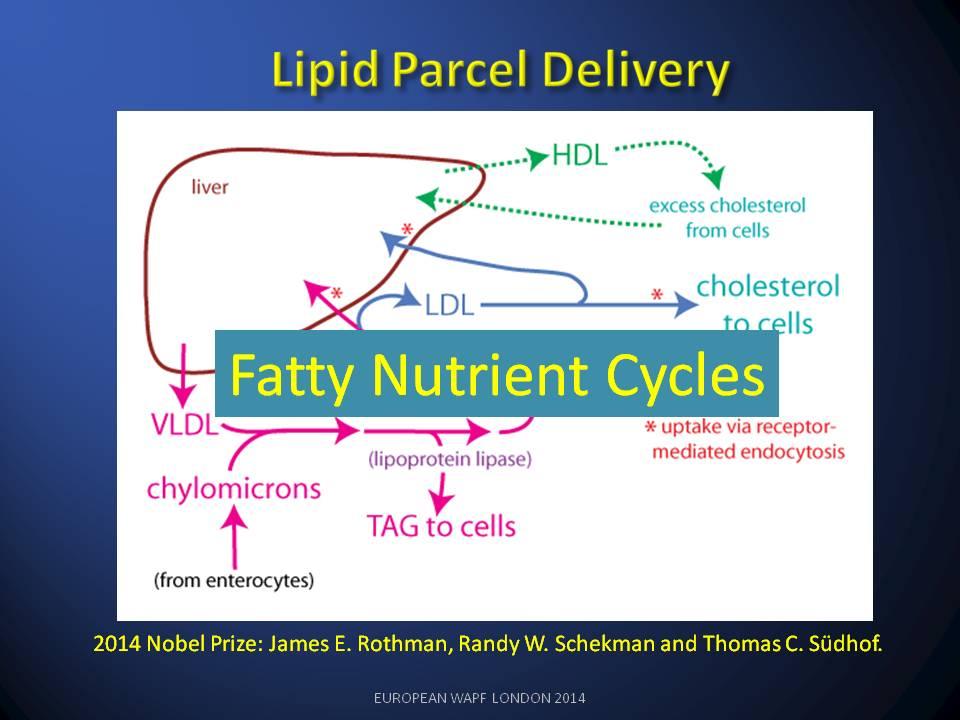
In our second review paper(Seneff et al., 2011)  we became aware of the fact that LDL/HDL ratios were associated with LDL consumption by organs and not production by the liver. The whole LDL argument had been inverted.  If LDL is damaged by glycation,  LDL goes up and HDL falls.  The liver’s glycated-LDL is unused and the corresponding HDL return to the liver does not happen.

LDL HDL Cycles

How such a fundamental part of the lipid nutrition cycle could be missed is hard to understand. Obsession with statins and statin finance has done immense harm to cardio-medicine and I believe we are seeing the start of a major NICE scandal as the BMA object to the guidance.

G Wainwright, L Mascitelli, and M Goldstein (2009). Cholesterol-lowering therapy and cell membranes. Stable plaque at the expense of unstable membranes? Arch. Med. Sci. 5, 289–295.

Seneff, S., Wainwright, G., and Mascitelli, L. (2011). Is the metabolic syndrome caused by a high fructose, and relatively low fat, low cholesterol diet? Arch Med Sci 7, 8–20.

109. Cochrane Collaboration Evaluates Statins for Primary Prevention of Heart Disease | Verner’s Views

Link

The treatment and placebo groups’ mortality lines should be independent: a trend in one should have no consequential influence on the other. However:

  • All 4 lines are essentially identical for 1.6 years.
  • Then there is a departure — by both lines at the same time.

The fact that both lines — treatment and placebo — depart at the same time is important. Why should the treatment suddenly become beneficial at exactly the same time as non-treatment becomes detrimental?

The average line of both treatment and non-treatment groups follows a ‘natural’ mortality curve; any natural survival curve would have its slope increasing downward. (i.e. becoming more negative.)

Both treatment and placebo lines follow this natural curve for 1.6 years. Then both diverge. The placebo group shows this slope change increasing (negative) at a faster rate than all other lines. But, surely, it should follow the natural mortality curve. Why doesn’t it?

The slope of the treatment group is nearly constant from 1.8 years onward. It’s not a curve at all, but an almost straight line — and it shouldn’t be. What it says is that old people die at the same rate as younger ones. And life isn’t like that.

Is this evidence that the data of the 4S trial were not handled in an honest manner? Were deaths occurring in the treatment group assigned to the placebo group? Is this why the two curves, which should be independent, are apparently related? Or is there a mistake somewhere? Is there an error in logic?

Statins: Saviours of Mankind or Expensive Scam?

Link

The inability of current recommendations to control the epidemic of diabetes, the specific failure of the prevailing low-fat diets to improve obesity, cardiovascular risk or general health and the persistent reports of some serious side effects of commonly prescribed diabetic medications, in combination with the continued success of low-carbohydrate diets in the treatment of diabetes and metabolic syndrome without significant side effects, point to the need for a reappraisal of dietary guidelines.

•They present major evidence for low-carbohydrate diets as first approach for diabetes.
Such diets reliably reduce high blood glucose, the most salient feature of diabetes.

Benefits do not require weight loss although nothing is better for weight reduction.

Carbohydrate-restricted diets reduce or eliminate medication.

There are no side effects comparable to those seen in intensive treatment with drugs.
Feinman RD, Pogozelski WK, Astrup A, Bernstein RK, Fine EJ, Westman
EC, Accurso A, Frasetto L, McFarlane S, Nielsen JV, Krarup T, Gower BA, Saslow L, Roth KS, Vernon MC, Volek JS, Wilshire GB, Dahlqvist A, Sundberg R, Childers A, Morrison K, Manninen AH, Dashti H, Wood RJ, Wortman J, Worm N, Dietary Carbohydrate restriction as the first approach in diabetes
management. Critical review and evidence base, Nutrition  (2014), doi: 10.1016/j.nut.2014.06.011.

You can’t get funding very easily for lifestyle trials because there is no profit to be made. Or is there? Medical Insurance and NHS costs would be reduced dramatically – so there is a cost reduction motive for funding!

Dietary Carbohydrate restriction as the first approach in diabetes management

Link

Nowhere is the impact of cholesterol depletion more keenly studied than in the neurologic arena.   

The work of Pfrieger et al. described the functional role of cholesterol in memory through synaptogenesis [24]. Mauch et al. [25] reported evidence that cholesterol is vital to the formation and correct operation of neurons to such an extent that neurons require additional sources of cholesterol to be secreted by glial cells. A recent mini-review by Jang et al. describes the synaptic vesicle secretion in neurons and its dependence upon cholesterol-rich membrane areas of the synaptic membrane [26]. Furthermore, working on rat brain synaptosomes, Waseem [23] demonstrated that a mere 9.3% decrease in the cholesterol level of the synaptosomal plasma membrane could inhibit exocytosis. These data might be particularly worrisome for lovastatin and simvastatin which are known to cross the blood brain barrier [27].

In fact, the proposed use of statins as a therapeutic agent in Alzheimer’s Disease (AD) [28] counters Pfrieger’s evidence [24]. Indeed, a reduction in cholesterol synthesis leads to depletion of cholesterol in the lipid rafts – i.e. the de-novo cholesterol is required in the neurons for synaptic function and also in the neuronal membrane fusion pores [29].

Cognitive problems are the second most frequent type of adverse events, after muscle complaints, to be reported with statin therapy [30] and this has speculatively been attributed to mitochondrial effects. The central nervous sytem (CNS) cholesterol is synthesised in situ and CNS neurons only produce enough cholesterol to survive. The substantial amounts needed for synaptogenesis have to be supplemented by the glia cells. Having previously shown that in rat retinal ganglion cells without glia cells fewer and less efficient synapses could form, Göritz et al. [31] indicate that limiting cholesterol availability from glia directly affects the ability of CNS neurons to create synapses. They note that synthesis, uptake and transport of cholesterol directly impacts the development and plasticity of the synaptic circuitry. We note their very strong implication that local de-novo cholesterol synthesis in situ is essential in the creation and maintenance of memory..  

There should be further consideration of cholesterol depletion on synaptogenesis, behaviours and memory loss for patients undergoing long-term statin therapy. This is particularly important with lipophilic statins which easily cross the blood brain barrier [32].

The effects of statins on cognitive function and the therapeutic potential of statins in Alzheimer´s disease are not clearly understood [28]. Two randomised trials of statins versus placebo in relatively younger healthier samples (lovastatin in one, simvastatin in other) showed significant worsening of cognitive indices relative to placebo [33, 34]. On the other hand, two trials in Alzheimer samples (with atorvastatin and simvastatin respectively) suggested possible trends to cognitive benefit, although these appeared to dissipate at 1 year [35, 36]. A recent Cochrane review concluded that there is good evidence from randomised trials that statins given in late life to individuals at risk of vascular disease have no effect in preventing Alzheimer´s disease or dementia [37]. However, case reports and case series from clinical practice in the real world reported cognitive loss on statins that resolved with discontinuation and recurred with rechallenge [30].

Evidence from observational data and prestatin hypolipidemic randomised trials showed higher hemorrhagic stroke risk with low cholesterol [30]. In fact, in the Stroke Prevention with Aggressive Reductions in Cholesterol Levels (SPARCL) trial as compared with placebo, the use of high-dose atorvastatin was associated with a 66% increase in the relative risk of hemorrhagic stroke among the patients receiving the statin drug [38]. In addition to treatment with atorvastatin, an exploratory analysis of the SPARCL trial found that having hemorrhagic stroke as an entry event, male sex, and advancing age at baseline accounted for the great majority of the increased risk of hemorrhagic strokes [39]. However, a sensitivity analysis excluding all patients with a hemorrhagic stroke as an entry event in the SPARCL trial found that statin treatment was still associated with an increased risk of hemorrhagic stroke [40]. Furthermore, in a subgroup of patients with a history of cerebrovascular disease enrolled in the Heart Protection Study [41] which did not include patients with hemorrhagic stroke, a similar increased risk of hemorrhagic stroke during follow-up was demonstrated [40].

References:

Normal
0

false
false
false

EN-GB
X-NONE
X-NONE

MicrosoftInternetExplorer4

/* Style Definitions */
table.MsoNormalTable
{mso-style-name:”Table Normal”;
mso-tstyle-rowband-size:0;
mso-tstyle-colband-size:0;
mso-style-noshow:yes;
mso-style-priority:99;
mso-style-qformat:yes;
mso-style-parent:””;
mso-padding-alt:0cm 5.4pt 0cm 5.4pt;
mso-para-margin:0cm;
mso-para-margin-bottom:.0001pt;
mso-pagination:widow-orphan;
font-size:11.0pt;
font-family:”Calibri”,”sans-serif”;
mso-ascii-font-family:Calibri;
mso-ascii-theme-font:minor-latin;
mso-fareast-font-family:”Times New Roman”;
mso-fareast-theme-font:minor-fareast;
mso-hansi-font-family:Calibri;
mso-hansi-theme-font:minor-latin;
mso-bidi-font-family:”Times New Roman”;
mso-bidi-theme-font:minor-bidi;}

[24] Pfrieger FW. Role of cholesterol in synapse formation and function Biochim Biophys Acta 2003; 1610: 271-80.

[25] Mauch DH, Nägler K, Schumacher S, et al. CNS synaptogenesis promoted by glia-derived cholesterol Science 2001; 294: 1354-7.

[26] Jang D, Park S, Kaang B. The role of lipid binding for the targeting of synaptic proteins into synaptic vesicles BMB Rep 2009; 42: 1-5.

[27] Saheki A, Terasaki T, Tamai I, Tsuji A. In vivo and in vitro blood-brain barrier transport of 3-hydroxy-3-methylglutaryl coenzyme A (HMG-CoA) reductase inhibitors Pharm Res 1994; 11: 305-11.

[28] Kandiah N, Feldman HH. Therapeutic potential of statins in Alzheimer’s disease. J Neurol Sci. 2009 Mar 23. [Epub ahead of print].

[29] Jeremic A, Jin Cho W, Jena BP. Cholesterol is critical to the integrity of neuronal porosome/fusion pore Ultramicroscopy 2006; 106: 674-7.

[30] Golomb BA, Evans MA. Statin adverse effects: a review of the literature and evidence for a mitochondrial mechanism Am J Cardiovasc Drugs 2008; 8: 373-418.

[31] Göritz C, Mauch DH, Nägler K, Pfrieger FW. Role of glia-derived cholesterol in synaptogenesis: new revelations in the synapse-glia affair J Physiol Paris 2002; 96: 257-63.

[32] Vuletic S, Riekse RG, Marcovina SM, Peskind ER, Hazzard WR, Albers JJ. Statins of different brain penetrability differentially affect CSF PLTP activity. Dement Geriatr Cogn Disord 2006; 22: 392-8.

[33] Muldoon MF, Barger SD, Ryan CM. et al. Effects of lovastatin on cognitive function and psychological well-being. Am J Med 2000; 108: 538-46.

[34] Muldoon MF, Ryan CM, Sereika SM, Flory JD, Manuck SB. Randomized trial of the effects of simvastatin on cognitive functioning in hypercholesterolemic adults. Am J Med 2004; 117: 823-9.

[35] Sparks DL, Sabbagh M, Connor D, et al. Statin therapy in Alzheimer’s disease. Acta Neurol Scand Suppl 2006; 185: 78-86.

[36] Simons M, Schwärzler F, Lütjohann D, et al. Treatment with simvastatin in normocholesterolemic patients with Alzheimer’s disease: A 26-week randomized, placebo-controlled, double-blind trial. Ann Neurol 2002; 52: 346-50.

[37] McGuinness B, Craig D, Bullock R, Passmore P. Statins for the prevention of dementia. Cochrane Database Syst Rev 2009 Apr 15; (2): CD003160.

[38] Amarenco P, Bogousslavsky J, Callahan A 3rd, et al.; Stroke Prevention by Aggressive Reduction in Cholesterol Levels (SPARCL) Investigators. High-dose atorvastatin after stroke or transient ischemic attack. N Engl J Med 2006; 355: 549-59.

[39] Goldstein LB, Amarenco P, Szarek M, et al.; SPARCL Investigators. Hemorrhagic stroke in the Stroke Prevention by Aggressive Reduction in Cholesterol Levels study. Neurology 2008; 70:2364-70.

[40] Vergouwen MD, de Haan RJ, Vermeulen M, Roos YB. Statin treatment and the occurrence of hemorrhagic stroke in patients with a history of cerebrovascular disease. Stroke 2008;39:497-502.

[41] Collins R, Armitage J, Parish S, Sleight P, Peto R; Heart Protection Study Collaborative Group. Effects of cholesterol-lowering with simvastatin on stroke and other major vascular events in 20 536 people with cerebrovascular disease or other high-risk conditions. Lancet 2004; 363: 757–67.

Synaptogenesis and Neural Cholesterol

Link

Cholesterol and insulin
Xia et al. inhibited a late step in the biosynthesis of de-novo cholesterol in murine and human pancreatic β cells [8] and published their findings in 2008. They had previously shown that insulin secretion was sensitive to the acute removal of membrane cholesterol. They now demonstrate that the depletion of membrane cholesterol impairs calcium voltage channels, insulin secretory granule creation, and mobilisation and membrane fusion.
This paper [8] clearly demonstrates that a direct causal link exists between membrane cholesterol depletion and the failure of insulin secretion. Their work is in close accord with data from some statin trials, which also connect cholesterol reduction with increased risk of type 2 diabetes; indeed, statin use has been shown to be associated with a rise of fasting plasma glucose in patients with and without diabetes [9]. The underlying mechanisms of the potential adverse effects of statins on carbohydrate homeostasis are complex [10] and might be related to the lipophilicity of the statin [11]. Indeed, retrospective analysis of the West of Scotland Coronary Prevention Study (WOSCOPS) revealed that 5 years of treatment with pravastatin reduced diabetes incidence by 30% [12]. The authors suggested that although lowering of trigliceride levels could have influenced diabetes incidence, other mechanisms such as anti-inflammatory action might have been involved; however, in the multivariate Cox model, baseline total cholesterol did not predict the development of diabetes [12]. Furthermore, pravastatin did not decrease diabetes incidence in the LIPID trial which included glucose-intolerant patients [13]. On the other hand, in the JUPITER trial (Justification for the Use of Statins in Prevention: an Intervention Trial Evaluating Rosuvastatin), which studied apparently healthy persons without hyperlipidemia but with elevated high-sensitivity C-reactive protein levels [14], the risk of diabetes was increased by a factor of 1.25 [95% confidence interval (CI), 1.05 to 1.51] among individuals receiving rosuvastatin 20 mg daily with respect to placebo. Strikingly, among persons assigned to rosuvastatin, the median low density lipoprotein (LDL) cholesterol level at 12 months was 55 mg per deciliter [interquartile range, 44 to 72 (1.1 to 1.9)].
It is intriguing that salutary lifestyle measures, which might exert their beneficial action through an anti-inflammatory mechanism without a strong cholesterol-lowering effect, beyond reducing cardiovascular events and total mortality, reduce also the risk of diabetes and other chronic degenerative diseases. This fact may represent a ‘justification’ not to use a drug in low-risk primary prevention populations: lowering cholesterol at the expense of increasing diabetes might be counter-productive over the long-term.

8. Xia F, Xie L, Mihic A, et al. Inhibition of cholesterol biosynthesis impairs insulin secretion and voltage-gated calcium channel function in pancreatic beta-cells. Endocrinology 2008; 149: 5136-45.
9. Sukhija R, Prayaga S, Marashdeh M, et al. Effect of statins on fasting plasma glucose in diabetic and nondiabetic patients. J Investig Med 2009; 57: 495-9.
10. Szendroedi J, Anderwald C, Krssak M, et al. Effects of high-dose simvastatin therapy on glucose metabolism and ectopic lipid deposition in nonobese type 2 diabetic patients. Diabetes Care 2009; 32: 209-14.
11. Ishikawa M, Okajima F, Inoue N, et al. Distinct effects of pravastatin, atorvastatin, and simvastatin on insulin secretion from a beta-cell line, MIN6 cells. J Atheroscler Thromb 2006; 13: 329-35.
12. Freeman DJ, Norrie J, Sattar N, et

Cholesterol and insulin